

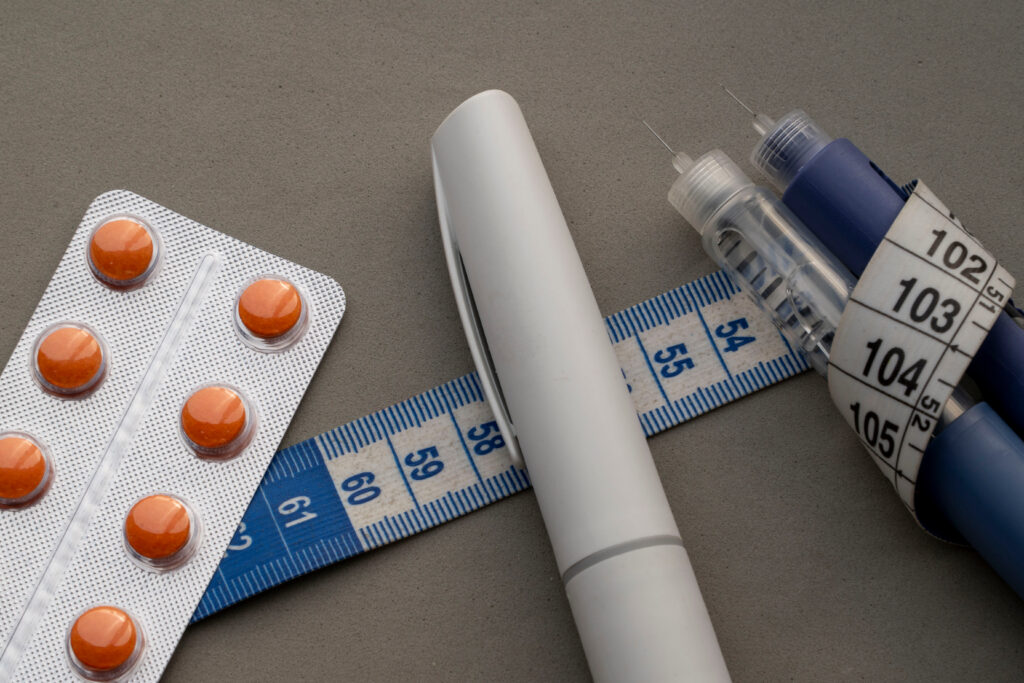
As more people look for effective ways to manage obesity and type 2 diabetes, medications such as tirzepatide have gained significant attention. But for older adults, an important question remains: Is tirzepatide safe for seniors?
The answer depends on the individual. Age alone does not necessarily prevent someone from using tirzepatide, but older adults may need more careful monitoring because of their overall health, medications, kidney function, nutrition, and risk of dehydration.
What Is Tirzepatide and Why Are Seniors Considering It?
Tirzepatide is a prescription medication that acts on both GIP and GLP-1 receptors. It is used to help manage blood sugar in people with type 2 diabetes and, in appropriate patients, to support weight management. It is available under brand names including Mounjaro and Zepbound.
For some older adults, managing excess weight can support mobility, metabolic health, and overall quality of life. That makes tirzepatide for seniors an option worth discussing with a physician when lifestyle changes alone have not achieved the desired results.
However, weight loss is not the only consideration for older adults. Maintaining adequate nutrition, strength, and muscle mass is also important.
Why Extra Weight Is Harder on an Older Body
There is a reason weight loss often matters more at 70 than it did at 40. The body doing the carrying has changed. Whole-body muscle mass and strength begin to decline progressively as early as age 30, with a sharper drop after roughly 60 to 70 years of age. Between the ages of 20 and 70, fat-free mass falls by roughly 40 percent while fat mass rises. In practical terms, an older adult carrying an extra 30 pounds is asking less muscle and a thinner skeletal frame to move more load, every time they stand up, climb a stair, or walk to the mailbox.
The joints absorb much of that difference. Research on overweight and obese older adults with knee osteoarthritis found that each pound of weight lost translates to roughly a four-fold reduction in the load exerted on the knee per step, which adds up meaningfully across thousands of steps a day. Carrying only 10 extra pounds can increase the force on the knee by 30 to 60 pounds with every step. That load falls on hips, knees, ankles, and the lower back at a stage of life when cartilage and bone are already less resilient.
Weight and muscle loss can also compound each other. Sarcopenia, the age-related loss of muscle mass, strength, and function, can be worsened when it occurs alongside obesity, and older adults with sarcopenic obesity are thought to face a compounded risk of poor outcomes compared with those who have either condition alone. In one long-term study of older men, those with sarcopenic obesity had roughly double the likelihood of frailty and about one and a half times the likelihood of disability over seven years of follow-up.
This is where a medically supervised weight-loss plan can matter for seniors. Taking excess weight off does not rebuild muscle or bone on its own, but it reduces the daily workload those aging structures have to handle. Studies in older adults with knee osteoarthritis have found that losing around 5 percent of body weight was associated with meaningful gains in overall physical function. Less load per step can mean easier movement, and easier movement makes the strength work that protects muscle and bone more realistic to keep up with.
Is Tirzepatide Safe for Seniors?
According to Mayo Clinic, studies to date have not identified geriatric-specific problems that would generally limit tirzepatide’s usefulness in older adults. However, elderly patients may be more sensitive to the medication’s effects than younger adults.
That distinction is important. A healthy 70-year-old taking few medications may have a very different risk profile from an older adult managing kidney disease, diabetes, gastrointestinal problems, or several prescriptions.
Before starting tirzepatide, a healthcare professional should review the person’s medical history, current medications, weight-management goals, and nutritional status.
What Risks Should Older Adults Know About?
Tirzepatide can cause gastrointestinal side effects such as nausea, diarrhea, stomach discomfort, constipation, and vomiting. These symptoms can be particularly important for seniors because significant fluid loss can contribute to dehydration.
Mayo Clinic also warns that dehydration associated with tirzepatide can contribute to acute kidney injury. People with existing kidney disease or a history of pancreatitis may require additional caution.
Blood sugar is another consideration. Tirzepatide itself does not typically cause hypoglycemia, but the risk can increase when it is combined with insulin or certain diabetes medications, including sulfonylureas.
Older adults should also tell their physician about all prescription medications, over-the-counter drugs, and supplements they take. Medication interactions become especially important when managing several chronic conditions.
How Can Seniors Use Weight Loss Injections More Safely?
If a physician determines that tirzepatide is appropriate, treatment should be medically supervised. Seniors should follow the prescribed dosing schedule and avoid changing the dose on their own.
Adequate hydration and nutrition are also important. Because tirzepatide can reduce appetite, older adults should make sure they continue getting sufficient nutrients and discuss any significant appetite changes with their healthcare provider.
Regular physical activity, when appropriate, can also help support strength and healthy body composition during weight loss.
Frequently Asked Questions
1. Can people over 65 take tirzepatide?
Yes, some adults over 65 may use tirzepatide when it is medically appropriate. Age alone does not automatically rule out treatment, although older adults may require closer monitoring.
2. Is tirzepatide harder on older adults?
Older adults may be more sensitive to the effects of tirzepatide. Gastrointestinal symptoms, dehydration, changes in appetite, and medication interactions should be monitored carefully.
3. Can tirzepatide cause dehydration in seniors?
Yes. Nausea, vomiting, or diarrhea can lead to fluid loss. Dehydration can become particularly concerning for older adults and may affect kidney function.